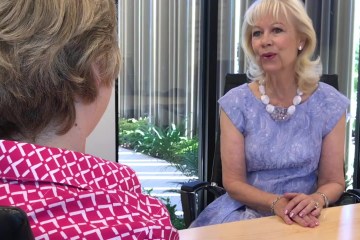
C-Suite C-SUITE: Meet Ash Watkins, partner and attorney at Sam Ash law ... SPECIAL TO LAS VEGAS BUSINESS PRESS
Learning Curve Words like stuck, special and scarce can cost you By JIM PAWLAK SPECIAL TO LAS VEGAS BUSINESS PRESS
Real Estate Tahoe mountain home lists for 12,75M: Tesla Cybertruck included BY VALERIE PUTNAM REAL ESTATE MILLIONS
Uncategorized C-SUITE SPOTLIGHT: Meet the educators behind Innovations International Charter School of Nevada PARTNERED CONTENT
Expert's Corner Six ways to preserve your company’s legacy through succession planning By Johanna Blake Special to Las Vegas Business Press
Expert's Corner Demand and investment collide in commercial real estate BY JEFFREY LAPOUR SPECIAL LAS VEGAS BUSINESS PRESS
Real Estate FINCEN’s position unclear on HOA beneficial ownership BY GREG P. KERR SPECIAL TO LAS VEGAS BUSINESS PRESS
Expert's Corner Pink Kitty Creative builds brands BY VICTORIA HART SPECIAL TO LAS VEGAS BUSINESS PRESS